
The Theme of Heroism
The OutsidersThe novel explores different definitions of heroism through the actions of Johnny, Dally, and the Greasers, questioning what it means to be a hero.
increasing Bearing strength in each event
 decreasing
Bearing strength in each eventdecreasingJohnny's Gallant Ideal
A New Definition
The Southern Gentlemen
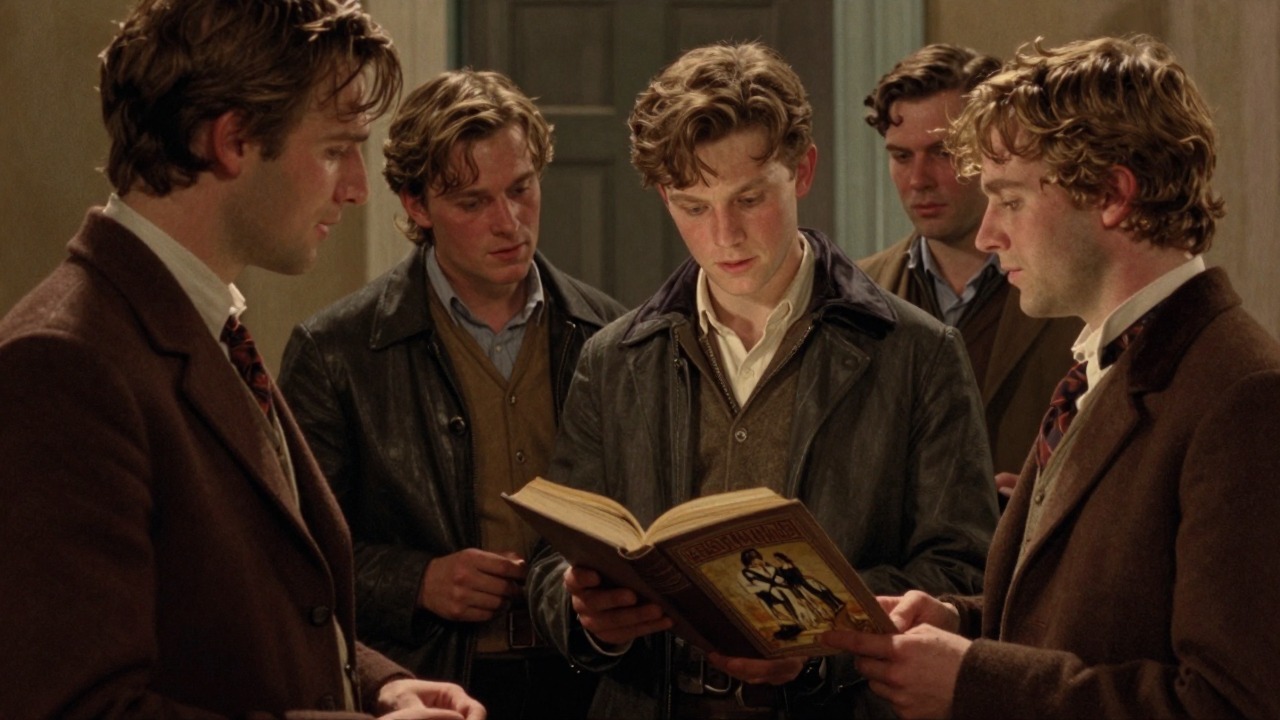
Johnny is fascinated by the Southern gentlemen in Gone with the Wind. He says they remind him of Dally because they ride into sure death with gallantry. He admires their courage and self-sacrifice.
Johnny's Heroism
Johnny himself becomes a hero by saving the children. He says, "It's worth it. Their lives are worth more than mine." This is an act of true gallantry. He dies believing he has done something meaningful.
The Contrast
Johnny's heroism is quiet and selfless. He is not a stereotypical hero; he is a scared boy who does the right thing. The novel suggests that heroism is about sacrifice, not strength.
Dally's Unrecognized Heroism
A Hero Without a Medal
The Newspaper Article
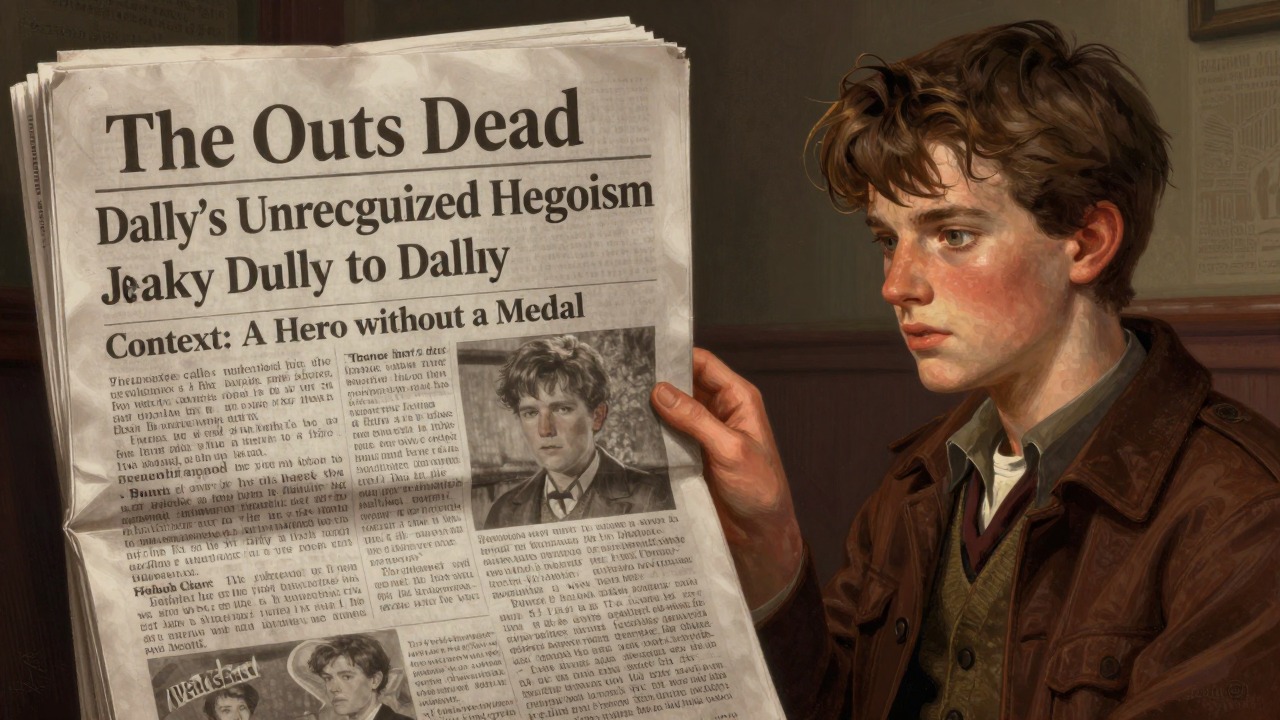
The newspaper calls Johnny and Ponyboy heroes, but Dally is also mentioned. He went back into the burning church to save Johnny. But the paper focuses on his police record, not his bravery.
Ponyboy's Reflection
Ponyboy thinks that Dally saved Johnny, and that is heroic. But society will never see Dally as a hero because he is a hoodlum. The novel questions who gets to be called a hero.
The Irony
Dally does not care about being a hero. He only cares about Johnny. But his actions are no less brave than Johnny's. The novel suggests that heroism can be found in the most unlikely people.
Ponyboy's Choice to Tell the Story
A Different Kind of Heroism
The Theme
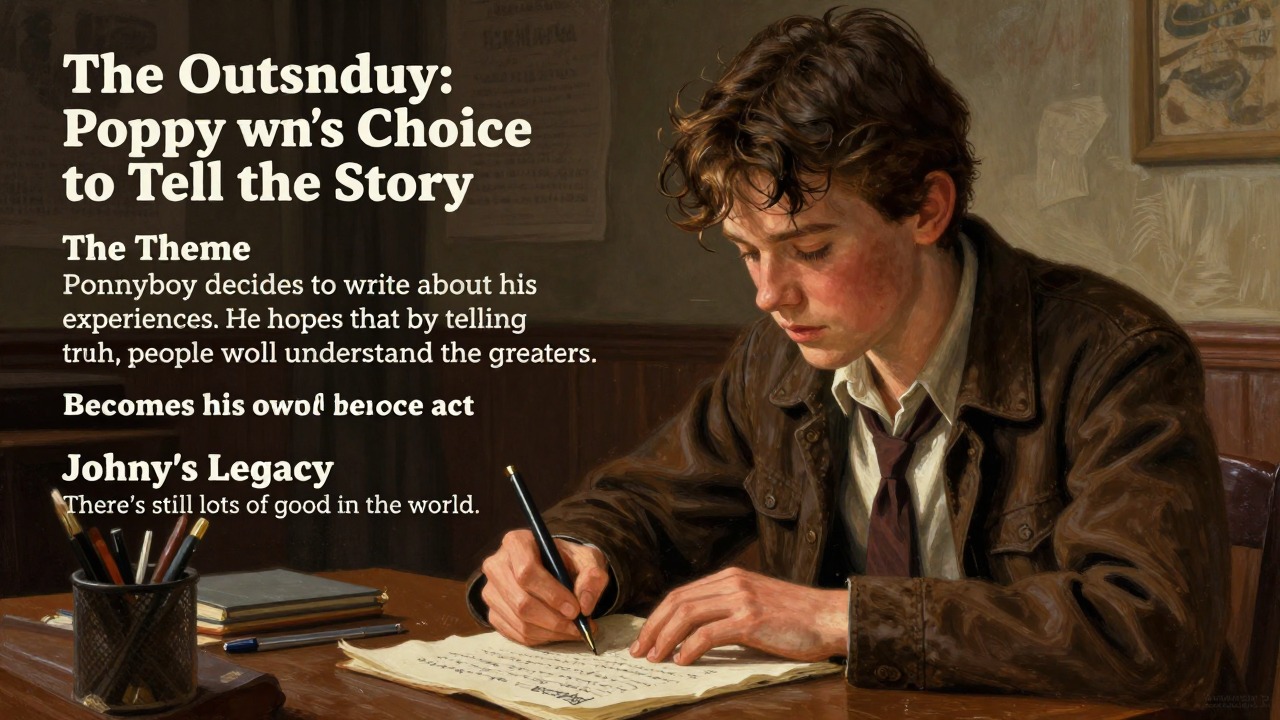
Ponyboy decides to write about his experiences. He hopes that by telling the truth, people will understand the greasers. Writing becomes his own heroic act.
Johnny's Legacy
Ponyboy is inspired by Johnny's note: "There's still lots of good in the world." He wants to be the one to show that. He is not fighting with fists, but with words.
The Novel Itself
The story we have just read is Ponyboy's theme. By sharing it, he becomes a hero in the sense of giving a voice to the voiceless. The novel ends with the beginning of his story, implying that telling it is the most important thing.
during the stay in the church, Chapter 5
after the fire, Chapter 7
the end of the novel, Chapter 12
